What Is the Best Time for an All-Inclusive Komodo Yacht Tour?
- Calm Seas and Clear Skies: Expect minimal rainfall and smooth sailing, ideal for island hopping and on-deck leisure.
- Peak Marine Visibility: Underwater visibility often exceeds 30 meters, creating exceptional conditions for diving and snorkeling.
- Optimal Wildlife Sightings: Manta ray congregations are at their largest from June to September, while Komodo dragons are most active from July to August.
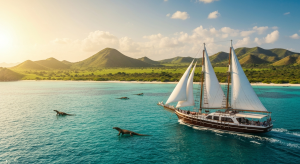
The air is thick with salt and the scent of sun-baked volcanic earth. Below my bare feet, the teak deck of the phinisi is warm, a low thrum from the engine the only sound breaking the silence. A deep, guttural growl drifts from the shore of Rinca Island, a primeval announcement from the land of dragons. We are anchored in a bay of impossible turquoise, one of 29 islands that constitute Komodo National Park. Timing, as our captain, Budi, reminded me this morning, is everything here. It dictates the clarity of the water, the mood of the currents, and the behavior of the ancient creatures we’ve sailed 450 kilometers from Bali to see. Deciding when to begin this voyage is the first, and most critical, step in crafting an memorable expedition.
Decoding Komodo’s Two Distinct Seasons
Unlike the four-season rhythm many of us are accustomed to, the Indonesian archipelago, particularly the Lesser Sunda Islands where Komodo resides, operates on a simpler, more dramatic monsoon-driven schedule. There is the dry season, and there is the wet season. Understanding the nuances of these two periods is fundamental to planning your allinclusive yacht komodo charter. The Dry Season, running broadly from April to November, is what most consider the prime window. During these months, the southeast monsoon brings arid air from Australia. You can expect daytime temperatures to hover around a comfortable 30-32°C (86-90°F), with very little precipitation. Seas are generally placid, often registering a mere 1 to 3 on the Beaufort scale, making for smooth crossings between islands like Padar, Rinca, and Komodo itself. This predictability allows for uninterrupted days of diving, hiking, and relaxing on the sundeck. Underwater visibility is at its zenith, frequently reaching an incredible 30 to 40 meters, turning dive sites like Batu Bolong into a veritable amphitheater of marine life. This is, unsurprisingly, the high season, when the park sees its highest concentration of visitors.
Conversely, the Wet Season arrives with the northwest monsoon, typically from December to March. This period is characterized by higher humidity and daily, though often brief and intense, rain showers. The landscape transforms, shedding its dry savanna tones for a vibrant, almost electric green. While some operators cease operations, particularly in the peak storm month of January, many premier liveaboards continue to sail. The trade-off for less predictable weather is a park almost entirely to yourself. Prices for charters can be 20-25% lower, and you might be the only vessel anchored at the famed Pink Beach. The seas can be more agitated, requiring a seasoned crew and a flexible itinerary, but the reward is a sense of profound solitude amidst one of the planet’s great natural wonders.
The Peak Season Sweet Spot: June to August
For those seeking the quintessential Komodo experience with the highest probability of perfect conditions, the months of June, July, and August represent the absolute peak. This is the heart of the dry season, a period of uninterrupted sunshine and deep blue skies. The climate is at its most agreeable, with low humidity and a consistent easterly breeze that makes an afternoon on a sun lounger a true pleasure. This is also when the park’s marine megafauna puts on its most spectacular show. The waters around central Komodo, particularly at the cleaning station known as Karang Makassar (Manta Point), become a superhighway for giant oceanic manta rays. The convergence of currents here creates a plankton-rich soup that can attract dozens of these graceful giants, some with wingspans exceeding 5 meters. According to local dive masters, sightings are nearly guaranteed during these months. On land, this period coincides with the Komodo dragons’ mating season. From July to August, the normally lethargic reptiles become highly active. Males engage in dramatic, bipedal wrestling matches to compete for females—a raw and powerful display of nature. Securing a permit and a knowledgeable ranger to witness this is a highlight of any trip. The downside, of course, is popularity. These months see the highest number of visitors, and iconic viewpoints like the summit of Padar Island can be busy at sunrise. This is where the strategic advantage of a private allinclusive yacht komodo charter becomes invaluable. A skilled captain can adjust your schedule to visit popular sites outside of peak hours, perhaps opting for a dramatic sunset hike on Padar when the day-trippers have long since departed.
The Shoulder Seasons: A Connoisseur’s Choice (April-May & September-November)
While the travel magazines rightly extol the virtues of a mid-year visit, my conversations with Komodo veterans—from seasoned yacht captains to marine biologists—often point to the shoulder seasons as the truly superior time to visit. These transitional months, April-May and September-November, offer a sublime balance of excellent conditions and diminished crowds. In April and May, the islands are still radiantly green from the fading wet season, creating a remarkable visual contrast with the turquoise sea. The first wave of tourists has yet to arrive, but the weather has already stabilized into the dry season pattern. The air feels cleaner, the landscapes more lush, and you get the sense you’re seeing the park as it awakens. There’s a particular magic to this period; it feels like having a secret all to yourself. I recall a trip in early May where we spent three hours snorkeling with seven manta rays at Taka Makassar and ours was the only tender in the water.
The later shoulder season, from September to November, is equally compelling. The intense tourist traffic of the European summer holidays has dissipated, but the weather remains superb. The sea has been warmed by months of sun, with surface temperatures in the northern part of the park reaching a balmy 28-29°C. Manta ray sightings remain excellent through October, and this is also a prime time for spotting more elusive creatures. On a November charter, we were fortunate enough to encounter a small pod of pilot whales transiting the Sape Strait. For the discerning traveler, these months represent the best of all worlds: world-class wildlife encounters, ideal weather, and a palpable sense of exclusivity that is the true hallmark of luxury travel.
Diving and Snorkeling: A Subaquatic Calendar
Komodo National Park is a designated UNESCO World Heritage site not just for its famous dragons, but for its staggering marine biodiversity. It sits at the confluence of the Indian and Pacific Oceans, creating a vortex of currents that supports over 1,000 species of fish, 260 species of reef-building coral, and at least 14 species of whales and dolphins. The timing of your visit profoundly impacts what you will see beneath the waves. Water clarity is the most significant seasonal variable. From June through October, visibility is consistently exceptional, often exceeding 30 meters. This is when sites like Castle Rock and Crystal Rock, with their thrilling currents and schools of giant trevally and white-tip reef sharks, are at their most dramatic. During the rainy season, runoff from the islands can reduce visibility to 10-15 meters, though it remains perfectly suitable for many sites. Water temperature also varies, with the southern sites like Manta Alley and Cannibal Rock being fed by cool, nutrient-rich upwellings from the Indian Ocean, where temperatures can drop to 20-24°C. These cooler waters are precisely what supports the vibrant soft corals and attracts filter feeders. In contrast, the northern sites remain a consistent 27-29°C year-round. An expert dive guide, a standard on any high-end allinclusive yacht komodo, will tailor your dive plan not just to the season, but to the daily tides, which can transform a site from placid to an advanced-level drift dive in a matter of hours.
Beyond the Weather: Dragon Behavior and Park Dynamics
The life cycle of the Komodo dragon (Varanus komodoensis) is intrinsically linked to the seasons, and timing your visit can offer a glimpse into different aspects of their fascinating existence. As mentioned, the peak dry season months of July and August are defined by their mating rituals. This is when you are most likely to witness the raw power of these apex predators. Following this, in September, the females dig extensive burrows to lay their clutches of up to 30 eggs. They will often guard these nests for several months, making them a more stationary, though fiercely protective, photographic subject. The eggs incubate for roughly eight months, with the hatchlings emerging around February or March, coinciding with the height of the rainy season. This timing is a clever evolutionary strategy; the rains provide more insect life for the young dragons to eat, and the thicker vegetation offers better cover from predators—including other Komodo dragons. Seeing a 40-centimeter-long baby dragon is an exceptionally rare treat, and one most visitors will miss. The park’s official information, often updated on platforms like indonesia.travel, can provide guidance on park fees and regulations, which are subject to change. A well-connected tour operator will navigate these logistics seamlessly, ensuring your focus remains on the magnificent wildlife before you.
Quick FAQ: Your Komodo Timing Questions Answered
Is it worth visiting Komodo during the rainy season?
For travelers prioritizing solitude and lush landscapes over guaranteed sunshine, absolutely. You will share iconic sites with very few others, and photographers will appreciate the dramatic skies and vibrant green hills. However, you must be prepared for rougher sea crossings and potential last-minute itinerary changes due to weather. Choosing a robust, well-maintained vessel and an experienced crew is non-negotiable during this period.
When is the best time for photography in Komodo?
It depends on your subject. For sweeping landscapes featuring the iconic green-and-blue contrast, April and May are unmatched. For underwater photography, the supreme water clarity from June to September is ideal. For dramatic wildlife action shots, the dragon mating season in July and August provides the most dynamic opportunities.
How far in advance should I book my yacht tour?
For the peak months of June through August, it is essential to book your preferred vessel 9 to 12 months in advance, as the top charters are reserved early. For the shoulder seasons (April-May, September-November), a lead time of 4 to 6 months is generally sufficient. Last-minute bookings are possible but will severely limit your choice of yacht and itinerary.
Does the moon phase affect a Komodo trip?
Yes, profoundly. The new moon and full moon phases generate the strongest spring tides. This intensifies the currents at famous dive sites like The Cauldron and Batu Bolong, making them exhilarating but suitable only for very experienced divers. These strong currents also act as a conveyor belt for nutrients, often attracting more large pelagic species. A knowledgeable captain will meticulously plan your daily route around these powerful tidal flows for both safety and maximum wildlife viewing potential.
Ultimately, the “best time” to visit Komodo is a personal equation, weighing your tolerance for crowds against your desire for perfect weather and specific wildlife encounters. The great luxury of a private charter is its inherent flexibility, allowing you to sidestep the rigid schedules of group tours and find your own perfect moments. While the peak season offers reliability, the nuanced beauty of the shoulder seasons holds a special allure for the seasoned traveler. When you are ready to design your perfect Komodo timeline, explore our fleet of allinclusive yacht komodo vessels and allow our specialists to craft an itinerary that transcends the calendar, creating a truly bespoke adventure in the land of dragons.